


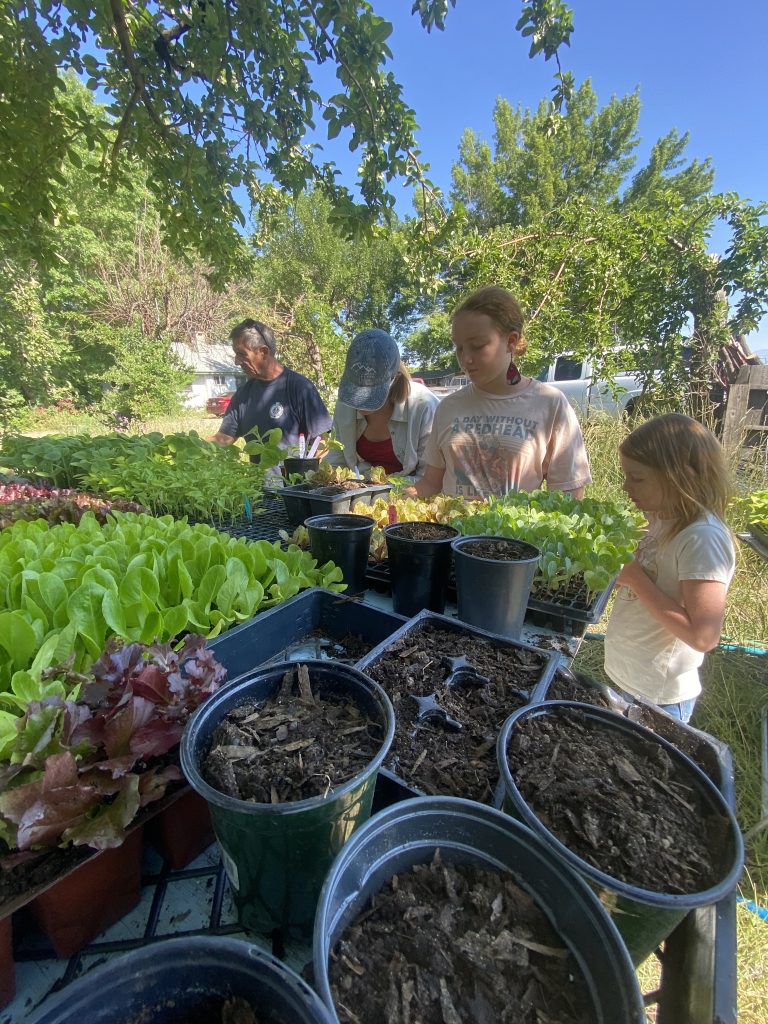
Safe School Program


Guardians of Gaviota
Empowering Communities Through Organic Stewardship for Youth: Supporting Land Preservation, Food Sovereignty/Food Security in Regenerative Ranching and Wild Horse Eco-Education
URGENT: Save the Montgomery Pass Wild Horses from the Helicopter Roundup
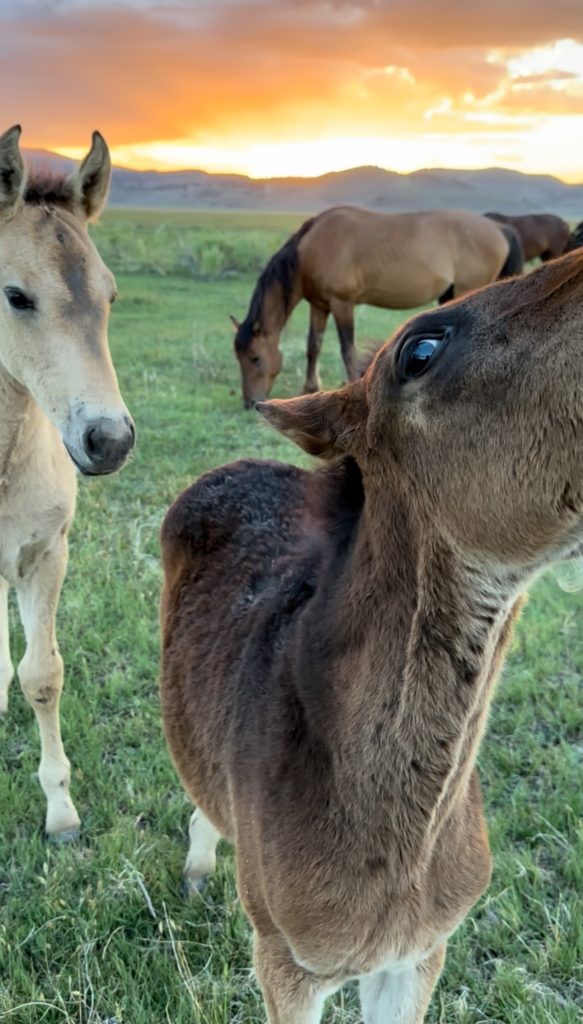
Take a Stand for Wild Horses Outside Yosemite, at Mono Lake, to the protected wild horse territory
Wild horses are a living national symbol of freedom—they are supposed to be free like you and me. Did you know that the total number of wild horses the FS, BLM, and USDA want to leave on public land is less than the number present when the Wild Horse and Burro Act was enacted? Stark historical irony: the modern legal limit of ~26,785 is almost exactly the same as the dwindling population size in 1971, when the public panicked that wild horses were on the brink of extinction. In the 1800s, massive, thriving herds swept across the American West—historical accounts describe herds so vast it took hours to pass them on horseback. The wild horse population was at least one million or more accross the American West. Yet by the mid-20th century, severe overhunting and land encroachment had brought them to the brink of extinction. When Congress passed the Wild Free-Roaming Horses and Burros Act in 1971, wild horse populations in the West had plummeted to an estimated 25,000 to 27,000 animals.
While conservation efforts have brought those numbers back to roughly 67,000 in the wild today, federal land management agencies are trying to drastically reduce these populations. Across all wild horse territories, the Bureau of Land Management (BLM) and U.S. Forest Service (USFS) enforce a nationwide Appropriate Management Level (AML) cap of only about 27,000 horses on public lands—essentially trying to force wild populations back down to near-extinction levels of the 1970s.
The Reality of Federal Management: Beyond the physical trauma of the chase, summer roundups permanently shatter tightly knit horse families. Adding to this crisis, a landmark federal court case won by the American Wild Horse Conservation (AWHC) and a New York Times undercover journalist proved that rounded-up horses are routinely funneled into illegal slaughter pipelines.
We witnessed the helicopter roundup on July 8, 2026, and its impact on the Mono Lake herd. Holding a helicopter roundup during peak foaling season directly violates the Forest Service’s own Animal Welfare Standards. Heavily pregnant mares experienced severe trauma; newborn foals were driven to physical exhaustion in the scorching 90 degree summer heat and left on nearby ranches, unable to keep up with the band. In the USDA’s own accounts of other gatherings, mares are often not reunited with their foals, and foals have been transported with stallions, causing young foals to die. Foal deaths did not occur in this roundup- that we know of- yet miscarriage was highly probable. Yet smaller water-bait traps are much more humane.
The catastrophic consequences of these operations are undeniable: during a recent roundup attempt, a young foal lost its leg during the frantic chase. Instead of receiving immediate medical care, the suffering animal was forced into a transport vehicle, hauled to a holding facility, and left in agony for hours before finally being put down. This is the drastic measure it took to stop the second roundup.
This cruelty is entirely preventable. The USFS helicopter company ignored its own summer-heat safety guidelines when, as those on site reported, 30 fragile foals, mothers, stallions, and elderly horses were chased off private property onto FS/BLM land up Dexter Canyon in 90-degree weather, 25-30 miles from Mono Lake. Furthermore, federal agencies dismissed the public entirely and proceeded with these helicopter operations despite over 4,500 formal public objections and hours of direct testimony urging a humane approach. Population management is necessary, but terrifying animals with helicopters is not the answer. Made by Mother Earth is fully prepared to implement ethical, on-the-ground stewardship. It is time for the BLM and USFS to transfer management rights to small water bait traps, where a few are gathered year-round, to prioritize conservation of the protected wild horse over trauma.
Our Proposal for Sustainable Management
We are advocating for a complete overhaul of how this herd is managed, moving away from federal roundups and toward a collaborative, localized management model:
- Video Evidence Directly Contradicts Forest Service Claims: Recent field video documentation definitively proves that the Montgomery Pass wild horses are causing no damage to the local springs or delicate tufa formations. Tufa must be submerged to grow. The Los Angeles Department of Water and Power LADWP is mandated by the California Supreme Court to do so, returning lake levels to a healthier level so tufa may grow.
- Baseless Environmental Scapegoating: Despite U.S. Forest Service (USFS) claims regarding resource degradation near Mono Lake, direct visual evidence reveals the ecosystem remains completely intact, showing that federal land management agencies are using manufactured environmental concerns as a false pretext for the July 8 roundup. We call for a Federal Environmental Impact Statement and a California Environmental Impact Report.
- The Real Eco-Crisis is the Helicopter, Not the Herd: Video logs show that the horses coexist harmoniously with the landscape, while the planned helicopter gathering presents a real and immediate ecological and animal welfare threat during peak foaling season. Smaller water bait traps conducted by local community contractors, not out-of-state helicopter companies making millions from federal grants.
- A Community-Backed Call to Halt the Roundup: The community is demanding an immediate suspension of the roundup in favor of an ethical, on-the-ground management model that protects both the wild horse populations and the natural resources of the Mono Basin.
- A Joint Management Agreement: We demand the creation of a cooperative management agreement between local agencies, Indigenous tribes, regional ranchers, and invested stakeholders to oversee the herd humanely.
- Redrawn Territory Boundaries: Current boundaries restrict herd movement and access to resources. Map lines must be redrawn to include Adobe Meadows within the protected territory, ensuring the wild horses have access to adequate, permanent water sources that were illegally removed in the 80s.
- A Viable Appropriate Management Level (AML): The current plan to remove 400 horses and leave only 245 behind is ecologically unsustainable and threatens the genetic viability of the herd. The AML must be adjusted to reflect a truly healthy, sustainable herd size that ensures long-term survival.
- Infrastructure for Road Safety: To protect drivers and wildlife, federal and local agencies must install prominent “Wild Horse Protected Territory” signage and traffic-calming speed bumps at critical horse crossing areas.
Key Points and how you can help & See sample letter below:
Federal agencies must legally log public comments and congressional inquiries. To force the USFS and BLM to listen, we must flood their offices—and the lawmakers who oversee them—with these specific demands before the next proposed, yet not promised, “water bait trap” roundup.
1. Submit a Formal Objection to the U.S Forest Service (USFS)
Demand the immediate suspension of helicopter operations and a transition to the community-led, expanded-territory model outlined above.
Mailing Address:
351 Pacu Lane, Suite 200
Bishop, CA 93514
Phone: (760) 873-2400
Email: sm.fs.infcontactus@usda.gov
2. Pressure State Senator Marie Alvarado-Gil
Urge her to exert state-level pressure on federal land managers to support redrawing territorial boundaries to include Adobe Meadows and to install road safety measures on state-adjacent transit corridors near Mono Lake.
- Phone: (916) 651-4004
- Email: Senator.Alvarado-Gil@senate.ca.gov
- Capitol Address: 1021 O Street, Room 7240, Sacramento, CA 95814
3. Contact Congresswoman Dina Titus (LV, Nevada), CC Congressman Kevin Kiley & CA Senators
Action: Send your message to Congresswoman Titus, CC the staff of Congressman Kiley’s regional office, and include both US Senators. Urge them to halt the current roundups, launch an inquiry into the unviable AML targets (which leave only 245 horses), and support a joint agency/tribal/stakeholder management agreement.
- Congresswoman Dina Titus (Head of the Congressional Wild Horse Caucus)
- Phone: (202) 225-5965
- Email: julianna.melendez@mail.house.gov (Wild Horse Caucus Staff Contact)
- Address: 2370 Rayburn House Office Building, Washington, DC 20515
- Congressman Kevin Kiley (U.S. Representative for California’s 3rd District)
- Phone: (916) 724-2575
- Staff Email: chelyssa.horvat@mail.house.gov (Rocklin District Office Contact)
- Rocklin District Address: 6538 Lonetree Blvd, Suite 200, Rocklin, CA 95765
- Constituent Services Senator Schiff & Padilla:
- Constituent_Services@schiff.senate.gov
- joshua_esquivel@padilla.senate.gov
Make an emergency donation to support legal teams.

UPDATES: Become a Guardian of the Gaviota Coast— for the children & for you to leave your legacy…

On the edge of LA’s urban sprawl, the Gaviota Coast is the last stand—the last 20 miles of undeveloped Southern California coastline, protected by our community’s fight against development. A grassroots campaign is forming to lead a multi-property land-protection effort, deeply rooted in community involvement, to save the last undeveloped stretch of the Southern California coastline for future generations. Guardians of the California coast see the gateway to Gaviota starting at Winchester Canyon Road, heading north on the 101 to Gaviota State Beach, and continuing to Vandenberg and Point Sal. To the south, urban sprawl extends through Ventura, Oxnard, Malibu, Santa Monica, Los Angeles, and Long Beach, crosses Camp Pendleton (regarded as developed because it has bombs on it), San Diego, and the border down to Rosarito, Baja California, Mexico.
The Gaviota Coast is a national treasure for our California community, our nation, and the international community alike. Dedicating ourselves to safeguarding children’s future access to the wide-open coastal landscapes along the last remaining 20 miles of undeveloped coastline in Southern California is a legacy only we can leave behind. To dedicate our efforts solely to safeguarding the Gaviota Coast for the children—the last remaining undeveloped coastline in Southern California—left.
The jewel of the coast, the Gateway to the Gaviota Coast: Eagle Canyon, Paradiso, Del Mar, Naples, Dos Pueblos, North, and South, with the goal of raising funds to secure all the properties.
The cause of saving the gateway to the Gaviota Coast, the jewel of the last 20 miles of undeveloped Southern California coastline left, is very important to the legacy we are leaving as Americans, a California legacy for all children. This Gaviota Coast is the jewel of California’s heart, a National Treasure and destination for the international community. Committed and unwavering in dedication, our team has reached out to individual investors, including billionaires with conservative values, who wish to leave a meaningful legacy by giving back to Southern California, a region that has greatly benefited from our coastline.
Now is the time for careful research, thoughtful planning, and strategic development to identify the best leader to bring this vision to life. We understand that some people want to give back to Southern California in their own way—those who have profited greatly from our coastline. We also know they want to leave a legacy for future generations and their families, and we believe you are those individuals and know others who can help save the Gaviota Coastline from urban sprawl.
This is a time for research, planning, and development—finding the right person to lead this project to completion, as we are hiring a campaign organizer.
Become a California Wild Horse Coalition Member

The California Wild Horse Coalition members are as diverse as the wild horses they protect, spanning colors, nationalities, and backgrounds. Horses form bands, like a coalition built on a circle of inclusiveness.
Wild Horse Coalition members—
American Wild Horse Conservation, The Wild Horse Conspiracy, Loving Nature White Cloud Refuge, Order of the White Lotvs, Made by Mother Earth nonprofit, tribal voting members from the Cherokee/Choctaw Nation, Nüümü (Paiute) Tribal members, community members from the African American-Blackfoot Nation, the Mexican-American community, as well as Miwok Tribal members, Mono Lake Kootzaduka’a Tribal members, Ahwahnechee Tribal members, Asian American, European lineages.
Take Action: Make Your Voice Heard
Sample Letter:
CA Wild Horse Coalition
URGENT CITIZEN COMPLAINT AND REQUEST TO HALT ROUNDUP
Montgomery Pass Wild Horses
TO: The Department of the Interior; U.S. Bureau of Land Management; USDA Forest Service; National Park Service (NPS); Federal and State Legislators representing California and Nevada
DATE: June, 2026
SUBJECT: URGENT DEMAND FOR IMMEDIATE CANCELLATION OF THE INYO NATIONAL FOREST HELICOPTER WILD HORSE ROUNDUP (MONTGOMERY PASS HERD) SCHEDULED FOR JULY 8, 2026
I. STATEMENT OF EMERGENCY COMPLAINT
This letter is issued on behalf of a broad coalition of residents, advocates, and stakeholders throughout Alpine, Inyo, Mono, and Mariposa Counties, the broader Eastern Sierra, international communities, and nationwide advocates united in their love of the wild horse as a National Treasure. We are writing to declare our absolute and unyielding opposition to the massive helicopter drive-trapping operation scheduled on JULY 8, 2026, targeting the historically protected Montgomery Pass wild horse herd on the backside of Mono Lake, just outside Yosemite National Park. The Montgomery Pass Wild Horse Protected Territory spans 200,000 acres on the California-Nevada border and has so few water sources that the wild horses, which share them with cattle leases inside the Territory, are forced to leave the Territory to survive. We have been refused when we have asked for the maps to be redrawn to include water for the wild horses. There will be no DNA samples, no Federal Environmental Impact Statement, and the Wild Horse caucus, which is advocating against helicopter roundups, is being ignored.
We represent a community that has exhausted traditional administrative channels. We have called, written, attended town halls, and submitted over 4,500 formal public comments on the EA and 15,000 comments in total throughout the process, pleading for humane alternatives. These voices have been systematically ignored, deleted from virtual formats, and silenced by representatives who owe us accountability—specifically the office of Congressman Kevin Kiley, which has consistently failed to provide meaningful engagement or substantive assistance despite months of persistent outreach by constituents and tribal leaders.
Furthermore, we explicitly state that the federal government is moving forward in direct violation of local trust. I attend these meetings, and I stand as a witness to the fact that there has been no meaningful, good-faith tribal consultation.
II. THE ILLUSION OF REGULATORY OVERSIGHT: 16 DOCUMENTED FAILURES (2022–2025)
Federal agencies defend these roundups by claiming they adhere to strict animal welfare metrics under the Comprehensive Animal Welfare Program (CAWP). However, the government’s own public records prove otherwise. A strict review of the federal government’s own CAWP team assessment reports from 2022 to 2025 reveals a harrowing reality: contractors consistently compromise basic animal welfare standards while giving themselves passing marks due to a lack of independent agency oversight.
Across these operations, the public record documents 16 distinct, systemic violations:
1. Abuse and Shocking Mismanagement of Foals & Mares (6 Violations)
The most fragile animals bear the brunt of contractor negligence. The federal record documents that contractors repeatedly endanger the lives of nursing foals:
Adobe Town, WY (July 2025) – Standards III.B.3.a & III.B.4.b: Dependent, unweaned foals were kept separated from their mothers for longer than the mandatory 4-hour legal limit at both the trap site and temporary holding.
Adobe Town, WY (July 2025) – Standard V.C.3: When loaded onto trucks, these unweaned foals were crammed into trailers without the mandatory minimum of 6.0 sq ft of safety space per animal.
Buffalo Hills, NV (November 2024) – Standard III.B.3.a: In a display of extreme operational recklessness, contractors intentionally packed three unweaned foals into a closed trailer compartment with an aggressive adult wild stallion, directly exposing them to lethal trampling.
Triple B Complex, NV (July 2022) – Standard III.B.3.a: Contractors failed to separate vulnerable foals from the adult herd while shipping them from the trap site to holding pens, leaving them entirely unprotected from crushing injuries.
Adobe Town, WY (July 2025) – Standard V.A.3: Handlers completely ignored the mandatory shipping order designed to protect vulnerable groups (debilitated animals, pairs, and weanlings) and instead shipped dry mares out of order purely for sorting convenience.
2. Severe Feed and Water Deprivation (4 Violations)
The agencies routinely trap these animals and proceed to deny them basic, life-sustaining resources:
Twin Peaks, CA (October 2024) – Standard I.A.11 & III.B.1.a: Trapped wild horses were left in holding pens with completely inadequate, undersized water infrastructure. Worse, the contractor only provided water once per day, subjecting captured animals to severe, prolonged dehydration.
Adobe Town, WY (July 2025) – Standard III.B.1.c: Contractors fed trapped horses at a rate significantly below the baseline survival requirement of 20 pounds of hay per 1,000-pound animal.
Adobe Town, WY (July 2025) & Fish Creek, NV (January 2025) – Standard III.B.1.c.ii: Hay was piled together rather than distributed properly, allowing dominant animals to monopolize the food while weaker yearlings, mares, and foals were blocked from eating.
3. Excessive Force and Facial Striking (3 Violations)
Contractors employ unnecessary and localized violence against captured animals:
Adobe Town, WY (July 2025) – Standard IV.C.1 (Logged 3x Across Operations): Across three separate operational phases (trap site sorting, temporary holding, and final trailer loading), handlers engaged in the excessive and abusive use of flags and shaker paddles, explicitly documented as striking and waving these instruments directly into the faces of the wild horses.
4. Hazardous Facility Design and Transport Safety Failures (3 Violations)
The physical infrastructure provided by contractors constitutes a standing safety hazard:
Fish Creek, NV (January 2025) & Triple B Complex, NV (July 2022) – Standard I.B.2: Loading chutes completely failed to meet the mandatory 6-foot fully covered safety height requirement. At Fish Creek, a dangerous structural gap (Standard I.B.6) was left entirely exposed between the chute and the trailer door, creating a severe entrapment hazard where horses could fracture their limbs.
Triple B Complex, NV (July 2022) – Standard I.A.12: Corrals were built with sharp, 90-degree trap corners rather than safe, rounded paths, creating lethal impact hazards for panicked, fleeing animals.
III. A LEGACY OF ABANDONMENT AND THE CALL TO ACTION
Our community has stepped up when the federal government failed. This past winter, I personally provided the GPS location to my County Board of Supervisors district representative and reached out regarding 20 wild horses trapped in deep snow near Mammoth Lakes in a snowmobile recreation area, completely separate from another 8 horses found in a nearby area. When the Forest Service explicitly reported to us that they lacked the capacity to address immediate welfare concerns or feed these starving animals, it was local constituents who demanded action and fought for their survival.
Now, the federal government plans to reward this community’s stewardship by sending a notorious helicopter contractor, Cattoor Livestock Roundup—the very same contractor explicitly tied to severe CAWP violations on public record—to terrorize the Montgomery Pass herd with low-flying aircraft.
There is zero independent oversight. There is zero accountability. There are no fines connected to structural mismanagement, and there are no institutional repercussions for contractors who violate animal welfare policies. They evaluate themselves, write their own glowing scores, and continue to operate unchecked. This ends now.
IV. FORMAL CONSTITUENT DEMANDS
We demand that all relevant federal, state, and local agencies immediately intervene to enforce the following:
An Immediate Halt to any future Roundups: Cancel the planned gathering of the Montgomery Pass wild horses immediately.
A Permanent Ban on Helicopter Drive-Trapping: Transition all management strategies away from high-stress helicopter roundups and permanently explore humane, on-range management alternatives.
Emergency Inter-Agency and Congressional Communication: We call on Congressman Kiley’s office to break its silence and immediately interface with Congresswoman Dina Titus and the Congressional Wild Horse Caucus to address these systemic regional failures.
Mandatory Tribal and Public Consultation: Halt all operations until true, legally binding tribal consultation occurs with area leadership, and ensure meaningful public engagement before any future operations are proposed.
Independent Oversight and Accountability: Implement strict, third-party, non-BLM/non-USFS veterinary monitoring for any future field operations, with legally binding fines and contract termination clauses for any contractor found in non-compliance with CAWP standards.
We have exhausted traditional avenues. We are looking for leaders who possess the courage to listen, step forward, and protect the cultural, ecological, and historical fabric of the Eastern Sierra.
We await your immediate, substantive response.
Respectfully submitted,
(YOUR NAME)
On behalf of the Residents, Advocates, and Stakeholders of the Eastern Sierra and international community
“Yet often the untold reality is that wild horses are going to slaughter. We would like to stop the local Montgomery Pass Wild Horses, such as the Mono Lake Wild Horses, from such a fate. Help us today.”

Growing Food Sovereignty Together
From 2024 to 2026, a diverse coalition of young Native farmers joined tribal Elders, conservationists, and a soil scientist to establish the Made by Mother Earth non-profit. 85% of our leadership is Native-led.
Since 2022, prior to the formation of the Made by Mother Earth nonprofit, we have given away over 10,000 fruit and vegetable plants to all tribes in the Eastern Sierra and the closest Yosemite Tribes in the Western Sierra, resulting in 100,000 lb of produce grown predominantly by tribal members of each nation, as each successful plant produces 10 pounds of produce. And 1500 pounds baseline every year.
Providing food for elders, mothers, fathers, children, teens, youth, families, and surrounding communities on every single reservation, including Bridgeport Indian Colony, Mono Lake Kootzaduka’a Tribe, Bishop Paiute Tribe, Big Pine Tribe, Fort Independence Tribe, Lone Pine, and Timbisha Death Valley tribes, California, and Yosemite Southern Sierra Miwok. According to one of our 12 advisors, Steve Sprinkle, a former California Organic Certifier and Eco Farms President, each fruit and vegetable plant yields 8-10 pounds of produce. Our Food Sovereignty Program and community members collectively grew $100,000 worth of produce, which equals over 70,000 pounds at an average of nearly $1.50 per pound.
The Mother Earth organic food security and food sovereignty program includes tribal members who need support to hire local Native youth to farm their tribal allotment lands, tribal members who farm organically on their allotment lands, skilled ranch hands working on the farm, and caring community members. The goal is to empower Native farmers in the Payahunadu food desert (Owens Valley, California) by supporting tribal members in hiring local tribal and community youth to grow community gardens throughout the reservations. This supports and provides jobs and tools for learning and creating food sovereignty, food security, wild horse ecology education, and earth-based skills to protect and nurture the land. For the past 5 years, we have connected grant funding to tribal elders where available, found work for tribal contractors who hire their own staff, and provided jobs to over 15 tribal members in food sovereignty gardens throughout the valley and to 50 tribal members in snow removal.

What do land protection, food sovereignty, and wild horse protection have in common? Community, history, and a shared, rich Western culture between Native and US Americans – now working together for balance and change.


DONATE TO OUR CAUSE

Donations help protect land, support food sovereignty, and promote wild horse eco-education. Your gift is vital to creating change in our community.


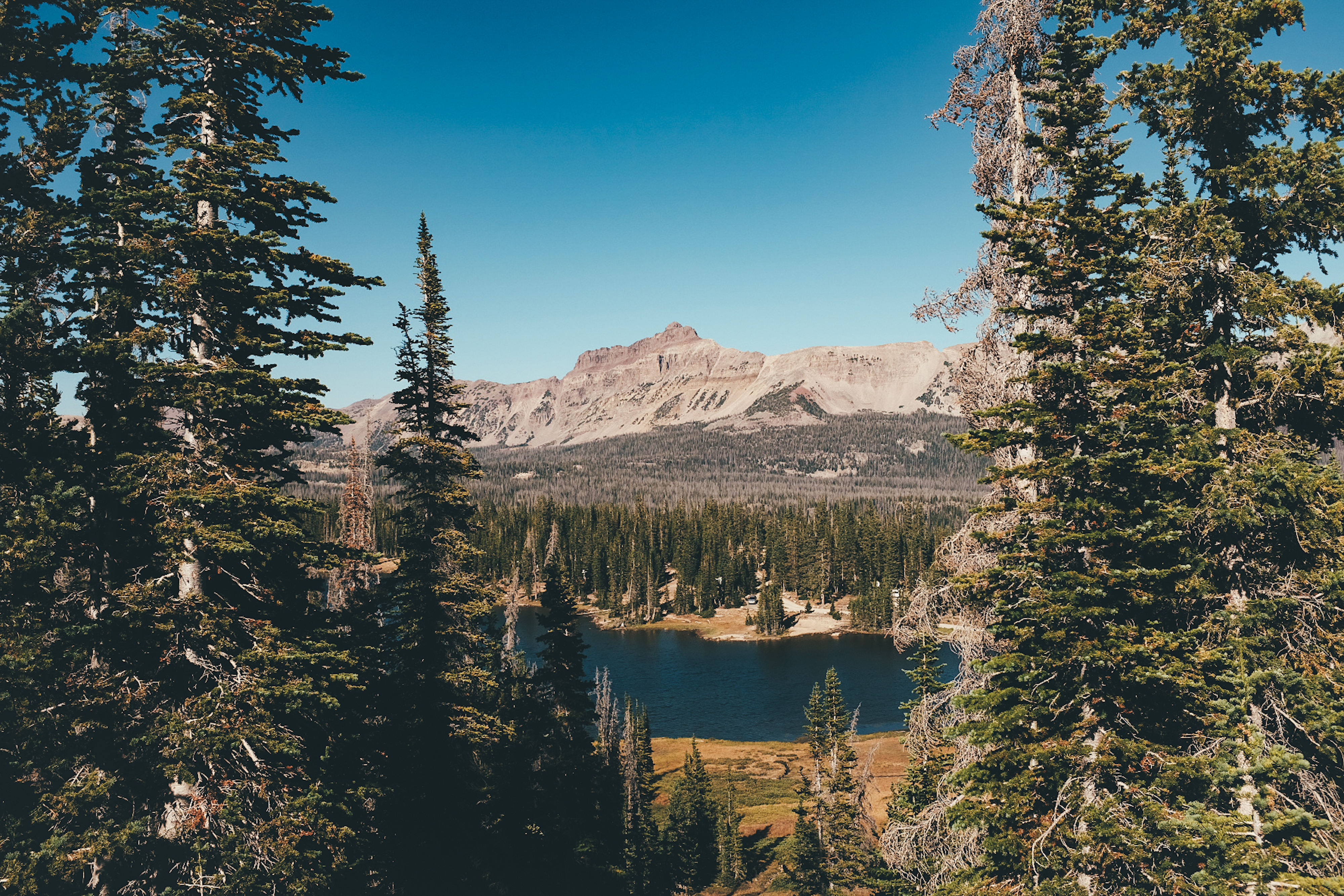
Take a hike and wAnder through the wild horses
E
Order a CSA box today!
Support Cultivativation of Organic Growth, and Community Resilience
- Promoting organic farming to strengthen local food systems
- Educating communities on the ecological role of wild horses
- Building earth-based skills through hands-on workshops
- Advocating for land conservation to protect natural habitats
